

Introduction
“Your grammar is not the reason you sound foreign. Your verbs are.”
You say "postpone". A native speaker says "put off". You say "tolerate"; they say "put up with". Your English is correct either way - it just arrives sounding like something that was written down before it was spoken.
Phrasal verbs are the gap. There are thousands of them, and most lists throw all of them at you at once. This book takes the 200 that genuinely come up in daily Indian working life and gives each one the thing the lists leave out: whether you can split it, where the object goes, and which formal word to use instead when you are writing.
Get the separable ones right and you stop making the single most common phrasal-verb error: "put off it".
How to use this book
- Learn the grammar note, not just the meaning - "pick up it" is the error that gives you away.
- Say both versions out loud: the phrasal verb and its formal equivalent.
- Use the phrasal verb when speaking and the formal word when writing anything official.
- Twenty verbs a chapter is one week of practice, not one sitting.
- When you catch yourself reaching for a long formal verb, stop and find the phrasal one.
Chapter 1
Getting Through the Day
Your day is already full of the moments these twenty verbs describe, so learning them changes how you sound before you have even left the house.
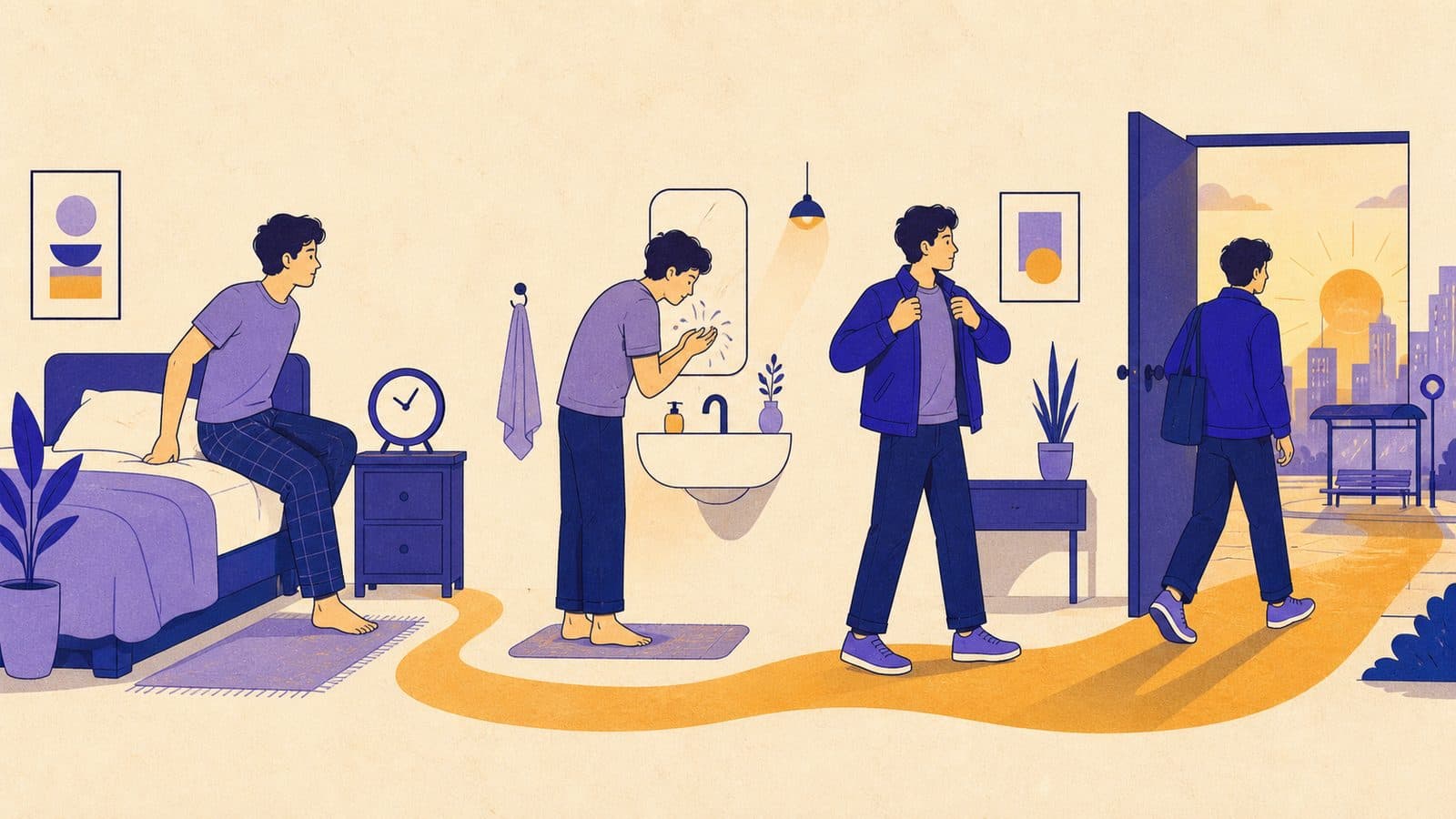
- Describe your morning routine the way a native speaker actually does
- Place pronouns correctly in separable verbs like turn it off
- Choose the natural phrasal verb instead of the bookish one-word verb
- Talk about leaving home, locking up and getting in late
- Know when the formal word is the better choice in writing
wake up
/ˌweɪk ˈʌp/
Meaning
To stop sleeping, or to make someone else stop sleeping.
In a sentence
Early start
“I woke up at five to finish the report before office.”
Asking a friend
“Please wake me up if I fall asleep in the cab.”
Formal equivalent: Formal equivalent: awaken. Use 'wake up' in speech and messages; 'awaken' sounds literary and almost never appears in ordinary conversation.
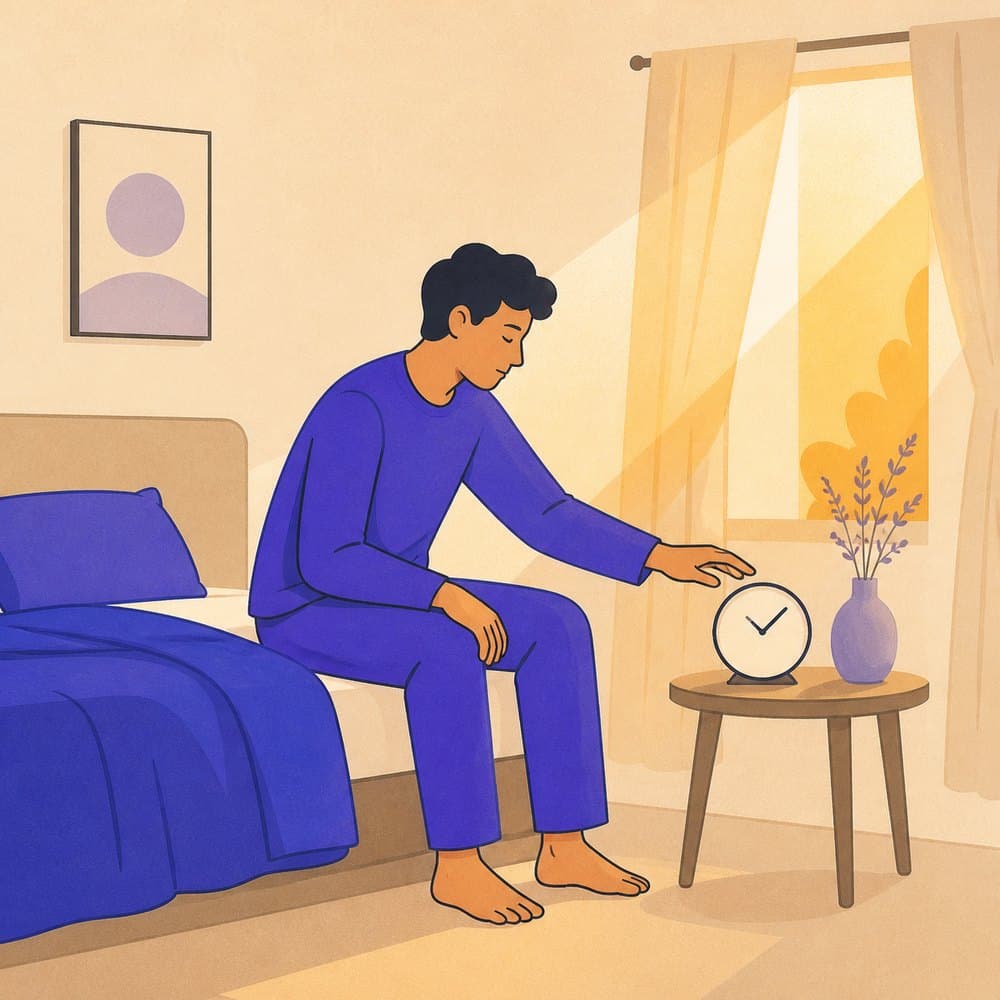
get up
/ˌɡet ˈʌp/
Meaning
To get out of bed and be on your feet.
In a sentence
Daily routine
“On weekdays I get up at half past five and go for a walk.”
Showing the difference
“He wakes up early but takes another hour to get up.”
Formal equivalent: Formal equivalent: rise. Keep 'rise' for written English such as 'guests are requested to rise early'; say 'get up' when you speak.
lie in
/ˌlaɪ ˈɪn/
Meaning
To stay in bed longer than usual in the morning because you are free to.
In a sentence
Weekend
“Sunday is the only day I get to lie in.”
Noun form
“After the night shift she had a long lie-in.”
Formal equivalent: Formal equivalent: there is no neat single verb; in writing you would say 'sleep late'. Do not confuse it with 'oversleep', which means you slept longer by mistake.

doze off
/ˌdəʊz ˈɒf/
Meaning
To fall asleep without meaning to, usually for a short while.
In a sentence
Commute
“I dozed off in the metro and missed my station.”
At work
“Two people dozed off during the afternoon training session.”
Formal equivalent: Formal equivalent: fall asleep. Use 'doze off' when the sleep was accidental and brief; 'fall asleep' is neutral and safe in writing.
freshen up
/ˌfreʃn ˈʌp/
Meaning
To wash quickly and make yourself look tidy again.
In a sentence
After travelling
“Give me ten minutes to freshen up and I will join you downstairs.”
Before an appointment
“She freshened up in the hotel room before the interview.”
Formal equivalent: Formal equivalent: wash. Offer a guest the chance to 'freshen up'; a written instruction would simply say 'wash and change'.

put on (clothing)
/ˌpʊt ˈɒn/
Meaning
To place a piece of clothing on your body.
In a sentence
Winter morning
“Put a sweater on, the morning is colder than it looks.”
Leaving in a hurry
“He put on his shoes at the door and rushed for the bus.”
Formal equivalent: Formal equivalent: don. Say 'put on' in every spoken situation; 'don' belongs only in ceremonial or very formal writing, and 'wear' describes the state, not the action.

take off (clothing)
/ˌteɪk ˈɒf/
Meaning
To remove a piece of clothing or footwear.
In a sentence
Visiting a home
“Please take your shoes off before entering the prayer room.”
End of the workday
“He took his tie off the moment he reached home.”
Formal equivalent: Formal equivalent: remove. A printed sign says 'please remove your footwear'; a person standing next to you says 'take your shoes off'.
do up
/ˌduː ˈʌp/
Meaning
To fasten a button, zip, lace or belt.
In a sentence
Getting ready
“Do your top button up before the photograph.”
Packing
“She could not do up the zip of the overloaded suitcase.”
Formal equivalent: Formal equivalent: fasten. Written instructions use 'fasten your seat belt'; at home people say 'do it up'.
dress up
/ˌdres ˈʌp/
Meaning
To put on smarter or more special clothes than you normally wear.
In a sentence
Reassuring a guest
“There is no need to dress up, it is only a family dinner.”
Festival at work
“The whole team dressed up for the Diwali party at the office.”
Formal equivalent: Formal equivalent: there is no single word; a written invitation says 'formal attire'. Keep 'dress up' for speech and informal messages.

head out
/ˌhed ˈaʊt/
Meaning
To leave where you are and start going somewhere.
In a sentence
Leaving home
“I am heading out now, the traffic gets terrible after eight.”
Early journey
“They headed out for the station before sunrise.”
Formal equivalent: Formal equivalent: depart. 'Depart' belongs on an announcement board; 'head out' is relaxed everyday speech.
lock up
/ˌlɒk ˈʌp/
Meaning
To lock all the doors and windows of a building before leaving it.
In a sentence
Closing the office
“Can you lock up once everyone has gone home?”
End of the day
“She locked the shop up at nine and took an auto rickshaw home.”
Formal equivalent: Formal equivalent: secure. A written policy says 'the premises must be secured'; staff simply ask 'who is locking up tonight?'

get in
/ˌɡet ˈɪn/
Meaning
To arrive home, or at the place you were travelling to.
In a sentence
Late night
“I got in at midnight and went straight to bed.”
Family checking on you
“Call me once you get in, so I know you reached safely.”
Formal equivalent: Formal equivalent: arrive. Write 'I arrived at 11 pm' in an email to a client; say 'I got in at eleven' to your family.
turn on
/ˌtɜːn ˈɒn/
Meaning
To make a machine, light or tap start working.
In a sentence
Morning routine
“Turn the geyser on ten minutes before your bath.”
Entering a room
“He turned on the lights and opened all the windows.”
Formal equivalent: Formal equivalent: switch on, or 'activate' in technical writing. 'Turn on' is safe in every spoken situation.
turn off
/ˌtɜːn ˈɒf/
Meaning
To make a machine, light or tap stop working.
In a sentence
Saving electricity
“Please turn the fan off when you leave the room.”
A small mistake
“I forgot to turn off the geyser and it ran all morning.”
Formal equivalent: Formal equivalent: switch off, or 'deactivate' in a technical manual. A printed notice says 'switch off the lights'; people say 'turn them off'.
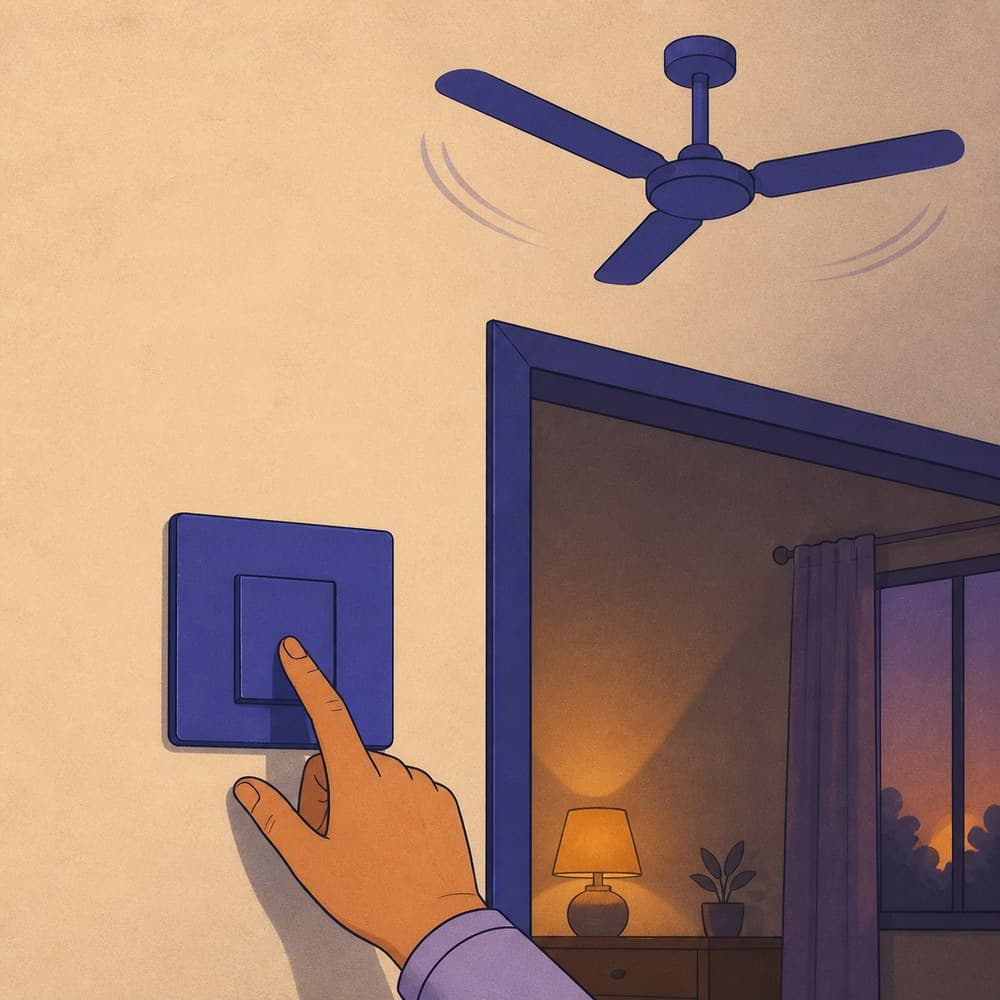
plug in
/ˌplʌɡ ˈɪn/
Meaning
To connect a device to an electric socket.
In a sentence
Night routine
“Plug the phone in before you sleep or you will leave with ten per cent battery.”
Explaining a problem
“The kettle was not plugged in, that is why nothing happened.”
Formal equivalent: Formal equivalent: connect. A manual says 'connect the device to the power supply'; a person says 'plug it in'.
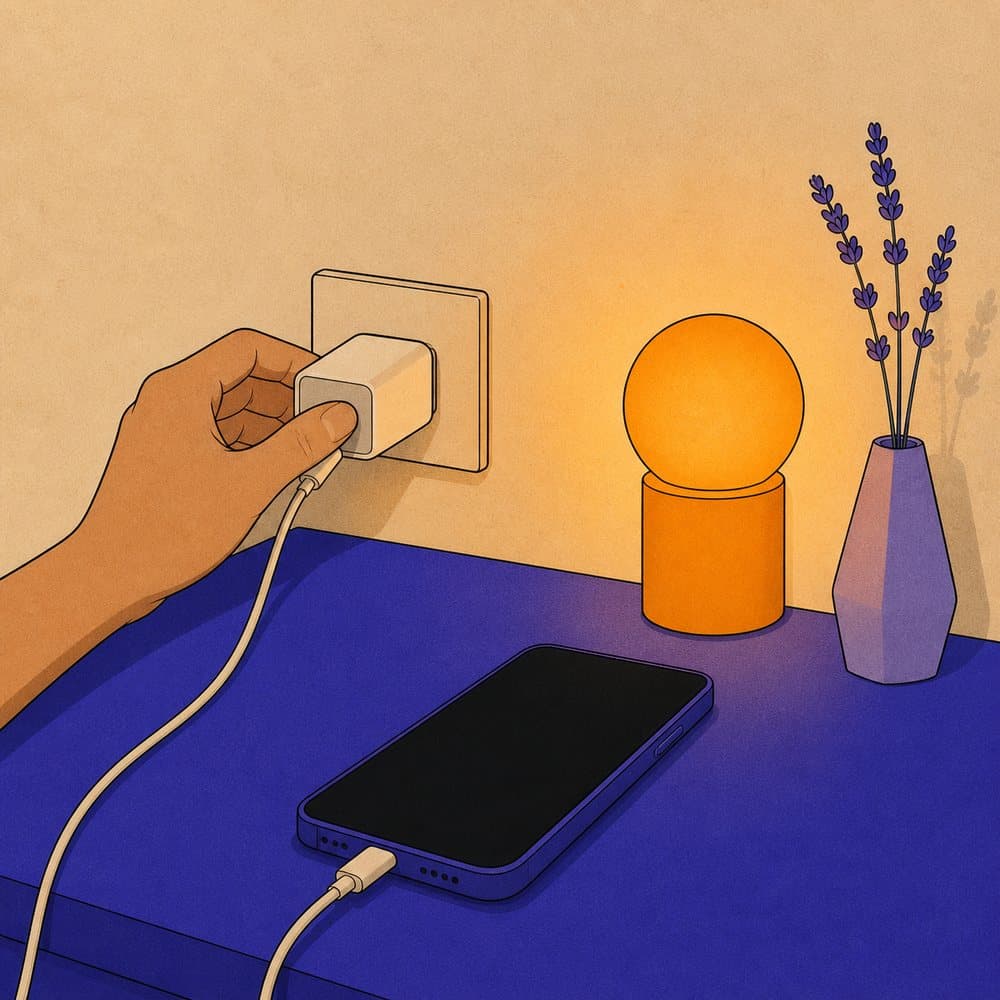
shut down
/ˌʃʌt ˈdaʊn/
Meaning
To close a computer or system properly so that it stops running.
In a sentence
End of work
“Shut the laptop down properly instead of just closing the lid.”
Waiting for a machine
“The system takes two minutes to shut down after an update.”
Formal equivalent: Formal equivalent: power off. IT instructions say 'power off the device'; colleagues say 'shut it down'.
turn down (volume)
/ˌtɜːn ˈdaʊn/
Meaning
To reduce the volume, heat or speed of something using a control.
In a sentence
Evening at home
“Turn the television down, the neighbours can hear every word.”
Cooking
“She turned the flame down and let the dal simmer.”
Formal equivalent: Formal equivalent: lower or reduce. 'Please lower the volume' suits a written request; 'turn it down' is what you say across the room.
tidy up
/ˌtaɪdi ˈʌp/
Meaning
To make a room or space neat by putting things in order.
In a sentence
Nightly habit
“I tidy the kitchen up every night before sleeping.”
Unexpected visitor
“Give me five minutes to tidy up, the room is a mess.”
Formal equivalent: Formal equivalent: organise. Use 'tidy up' for a physical space; 'organise' suits files, folders and schedules.
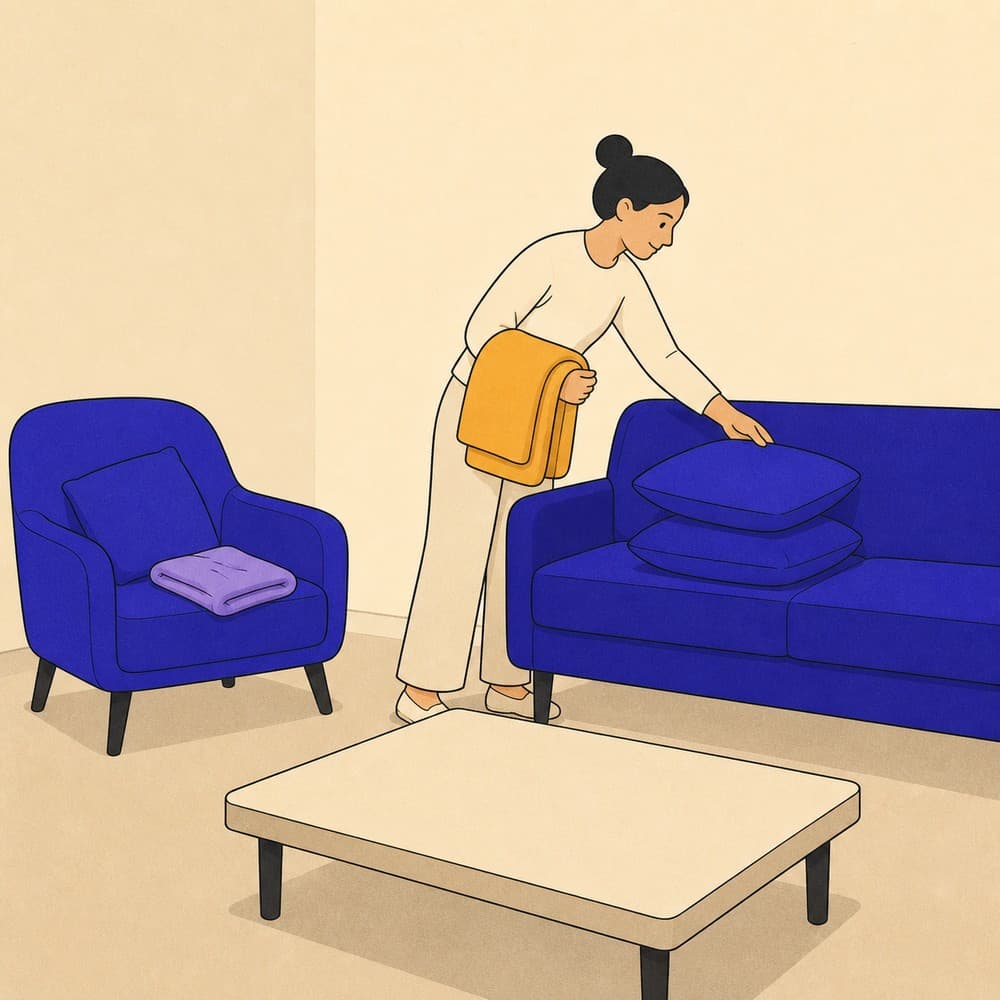
put away
/ˌpʊt əˈweɪ/
Meaning
To return something to the place where it is normally kept.
In a sentence
Household task
“Put the ironed clothes away before you leave for office.”
A daily complaint
“He never puts his charger away, so he never finds it.”
Formal equivalent: Formal equivalent: store. 'Store' fits written instructions such as 'store in a cool place'; 'put away' is everyday speech.
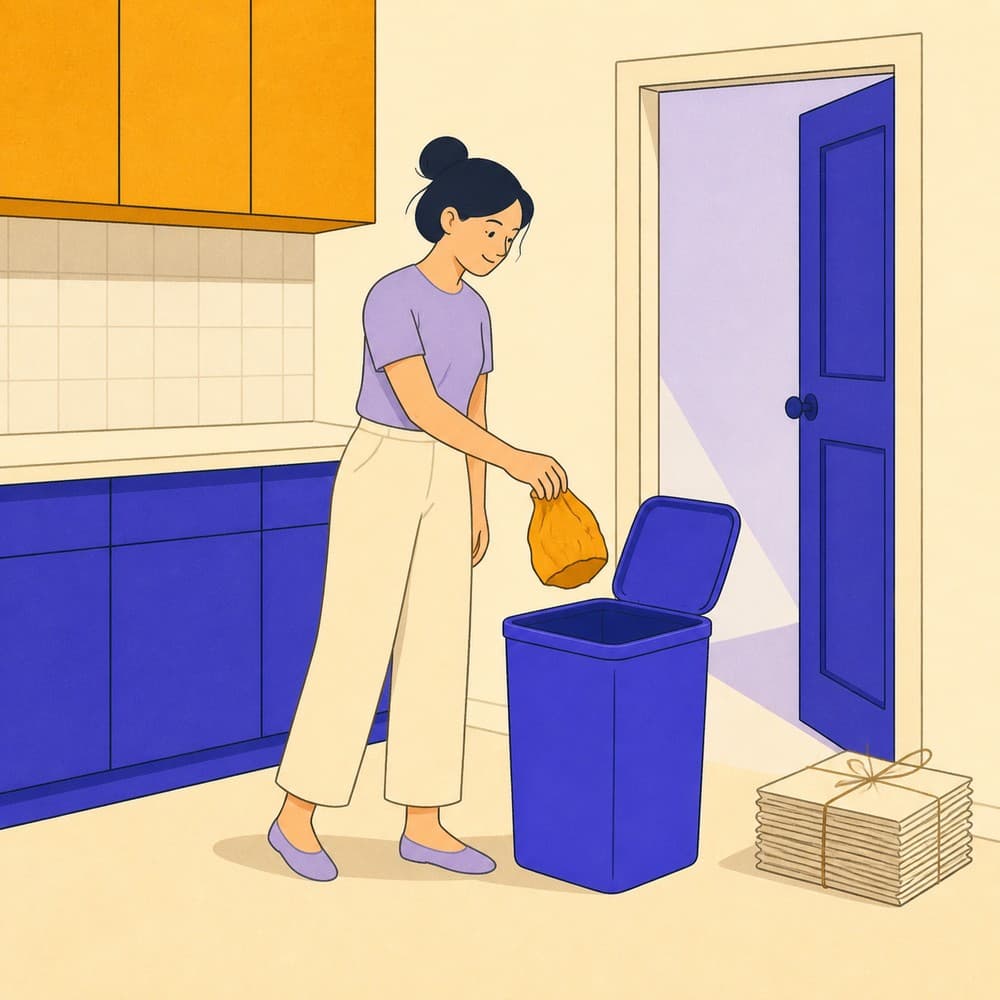
throw away
/ˌθrəʊ əˈweɪ/
Meaning
To get rid of something you no longer want by putting it in the bin.
In a sentence
After shopping
“Do not throw the receipt away, we may need it for the warranty.”
Clearing the house
“She threw away three bags of old newspapers on Sunday.”
Formal equivalent: Formal equivalent: discard. A notice says 'discard used items here'; a person says 'throw it away'.
Chapter 1 check
Choose the best option for each question, then check your answer against the explanation below it.
Complete the sentence: It is cold outside, so ___ your jacket before you leave.
put ontake offdo upturn onReveal answer to 1
put on — You place clothing on your body, and the natural verb for that action is the separable one used here.
Which sentence places the pronoun in the correct position?
Please turn off it.Please turn it off.Please off turn it.Please turn the off it.Reveal answer to 2
Please turn it off. — With a separable phrasal verb, a pronoun object must sit between the verb and the particle.
Which single word would a written office notice use instead of the everyday 'throw away'?
discarddeclinedispatchdismissReveal answer to 3
discard — It is the standard formal verb for getting rid of something, and it is the one printed on signs and policies.
On Sunday Ravi sets no alarm and stays in bed until ten simply because he can. What is he doing?
having a lie-indozing offheading outfreshening upReveal answer to 4
having a lie-in — Staying in bed longer than usual by choice is exactly what this noun form describes.
Which verb describes falling asleep by accident during a long online meeting?
doze offdress upget uplock upReveal answer to 5
doze off — It means to fall asleep unintentionally and briefly, which is what happens in a dull meeting.
The laptop battery is empty and the charger is lying on the table. Which sentence is correct?
Please plug in it.Please plug it in.Please it plug in.Please plug in.Reveal answer to 6
Please plug it in. — The verb is separable, so the pronoun object has to come before the particle.
Amit checked every door and window before leaving the shop for the night. Which phrasal verb describes what he did?
locked upgot inturned downput awayReveal answer to 7
locked up — Securing an entire building before leaving it is the exact meaning of this verb.
Which phrasal verb means to fasten the buttons of a shirt?
do updress uptake offtidy upReveal answer to 8
do up — It covers buttons, zips, laces and belts, and its formal equivalent is 'fasten'.
The music is loud and the neighbours are complaining, so ask your friend to ___ the volume.
turn downturn upturn inturn overReveal answer to 9
turn down — Reducing volume, heat or speed with a control is what this verb expresses.
Which sentence correctly describes arriving home late at night?
I got in at midnight.I got up at midnight.I got on at midnight.I got over at midnight.Reveal answer to 10
I got in at midnight. — In this sense the verb means to arrive home, while the other options change the meaning completely.
Carry these into tomorrow morning
- Most of the verbs in this chapter are separable, and with a pronoun the object must sit in the middle: turn it off, put it on, throw it away.
- A few are fixed and take no object at all, so nothing can come between the words: lie in, doze off, head out.
- The one-word formal verb is not wrong, it is simply written English; say 'put off the meeting' and write 'postpone the meeting'.
- 'Wake up' and 'get up' are two different moments, and using both correctly makes your morning routine sound natural.
- 'Put on' is the action and 'wear' is the state, so you put on a shirt in the morning and wear it all day.
- 'Get in' means arriving home, while 'get into' means entering a car or a room; the extra letters change the meaning.
- Practise by narrating your own morning out loud for one minute every day, using at least five verbs from this chapter.
20 of 200 · 10%
20 of 200 phrasal verbs learned. Your English is sounding less written and more spoken.