

Introduction
“You are not misunderstood because your English is weak. You are misunderstood because one sound moved.”
There is a particular frustration in knowing a word perfectly on paper and watching someone fail to catch it when you say it. It is almost never a vocabulary problem. It is one sound, or one stressed syllable, sitting in the wrong place.
This book takes the 100 words that most often break that way for Indian speakers. Each card tells you the correct sound in plain words, why this word in particular catches us, and the wrong version to unlearn.
Nothing here is about losing your accent. An Indian accent is not an error. Being misheard is.
How to use this book
- Say the wrong version and the right version back to back. The contrast is the lesson.
- Stressed syllables matter more than individual sounds - fix stress first.
- Record yourself saying the example sentences, then listen without the book in front of you.
- Ten words a day is plenty. This is muscle memory, not information.
- Practise the word inside a sentence, never alone - that is how it will be heard.
Chapter 1
Silent Letters
English spelling keeps letters it stopped saying centuries ago, and if you read a word exactly as it is written, a fluent listener hears the extra sound instantly.
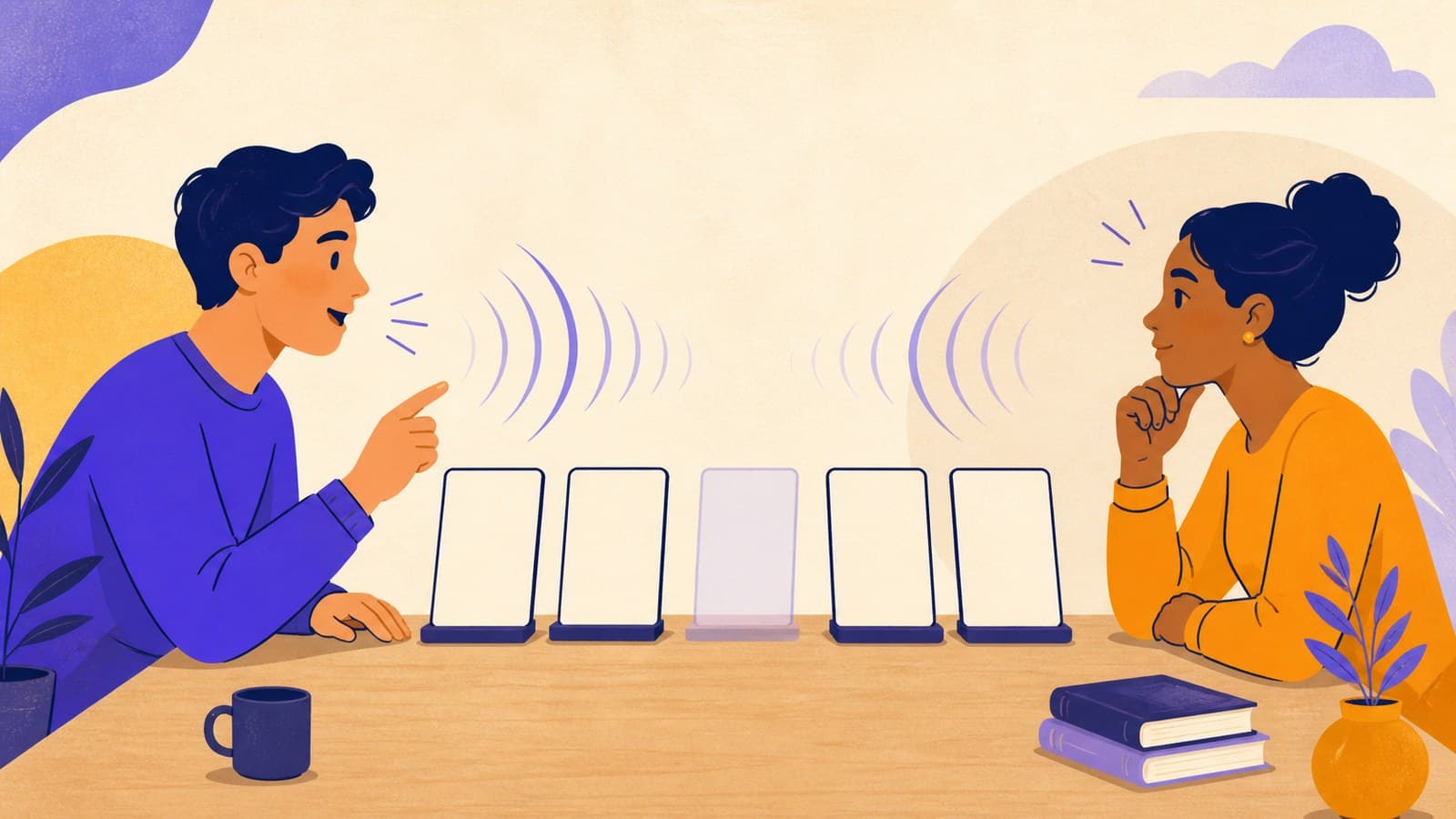
- Spot the letters English writes but never speaks
- Say thirteen high frequency words the way listeners expect
- Unlearn the spelling based version you were taught to read aloud
- Practise each word inside a real office or shop sentence
- Trust your ear over the printed letters
subtle
/ˈsʌt.əl/
How to say it
Two syllables, stress on the first: SUT-ul. It rhymes with 'cuttle' and 'shuttle'. The b is written but never spoken, and there is no gap where it sits.
In a sentence
Comparing job offers
“There is a subtle difference between the two offers, so read both letters carefully.”
Office conversation
“She gave me a subtle hint that the meeting would be postponed.”
Do not say: Incorrect: 'SUB-tle' with a clear b. Also incorrect: 'sub-TEEL'. Say SUT-ul, and let the b disappear completely.
debt
/det/
How to say it
One syllable only, and it sounds exactly like 'debt' rhyming with 'net' and 'get'. The b is silent, so the word is simply 'det'.
In a sentence
Talking about finances
“I cleared my education debt within three years of joining.”
Business discussion
“The company is trying to reduce its debt before the audit.”
Do not say: Incorrect: 'DEB-t' or 'debit' used in its place. Say 'det', one short syllable, and keep 'debit' as a separate two syllable word.

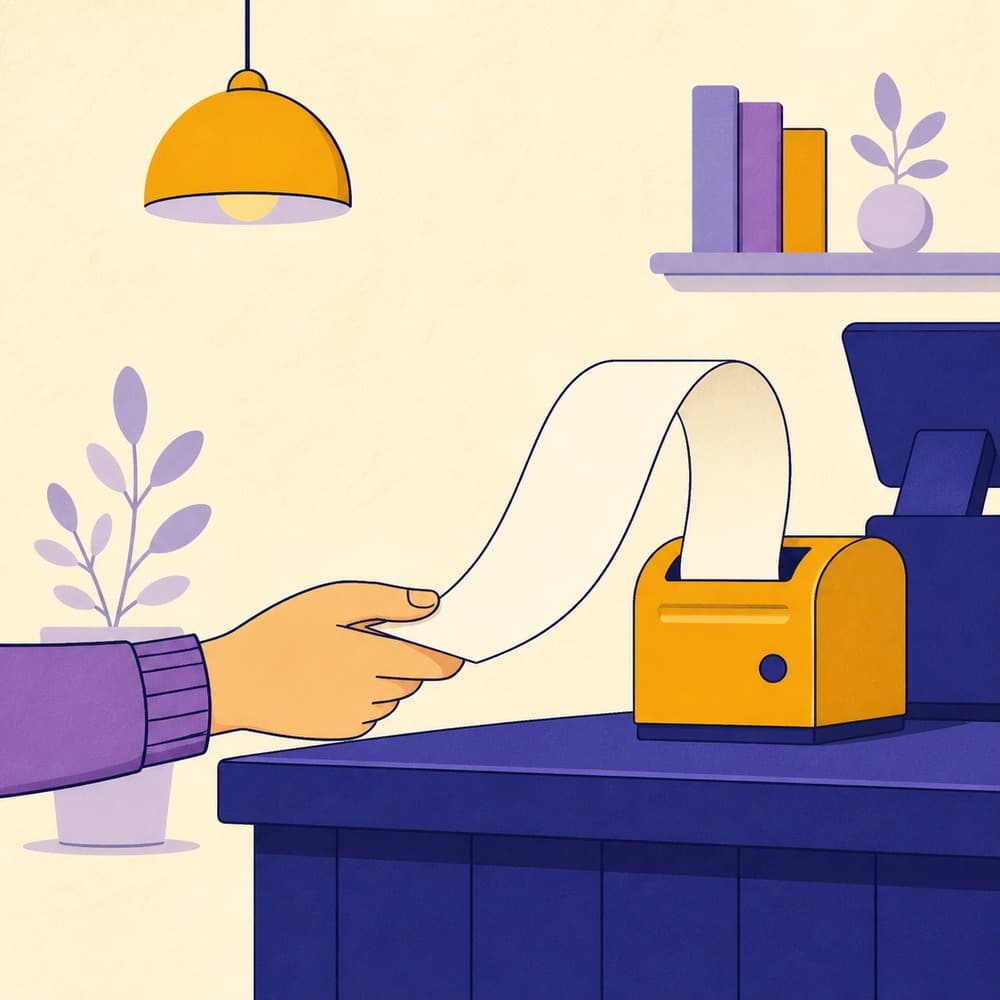
receipt
/rɪˈsiːt/
How to say it
Two syllables, stress on the second: ri-SEET. It ends with a plain t sound. The p is silent, so the ending sounds the same as 'seat'.
In a sentence
Expense claim at work
“Please keep the receipt, otherwise the accounts team will not reimburse you.”
At a shop counter
“Can I get a receipt for this, please?”
Do not say: Incorrect: 'ri-SEEPT' with the p sounded. Say ri-SEET, ending exactly like the word 'seat'.
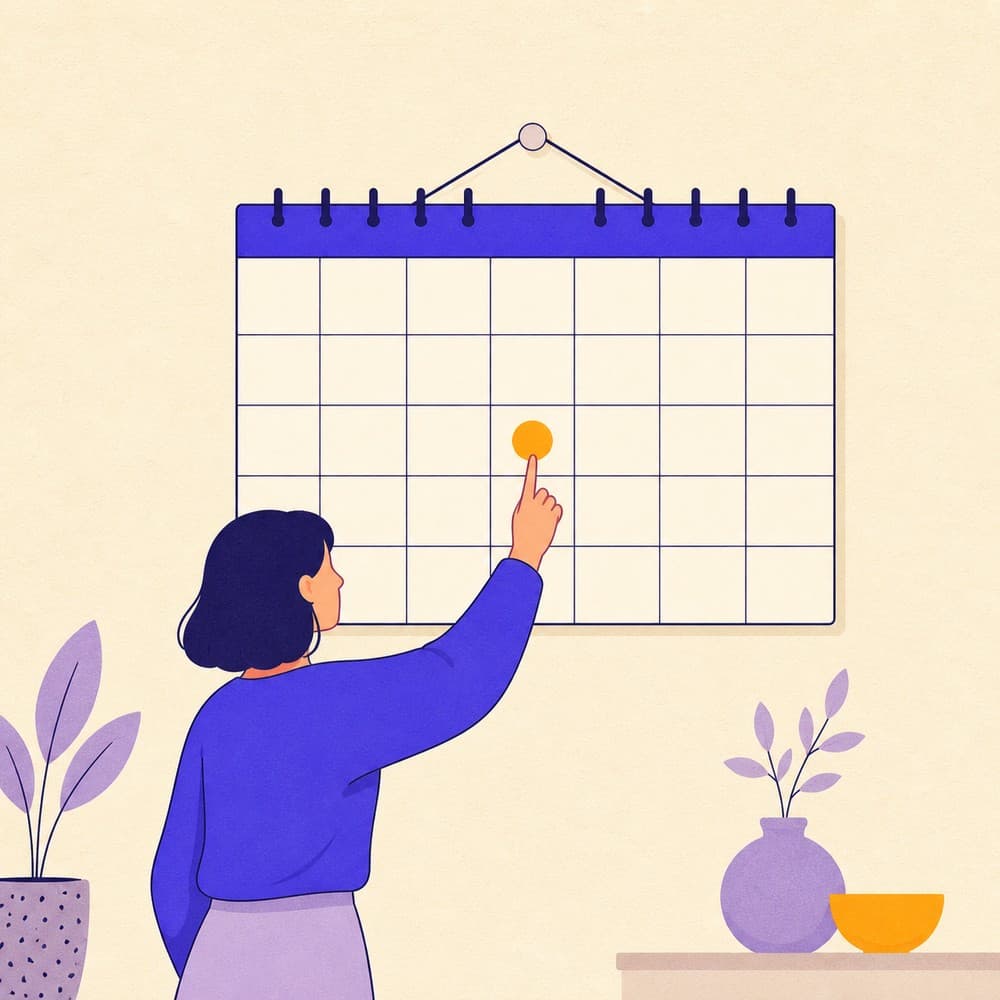
Wednesday
/ˈwenz.deɪ/
How to say it
Two syllables only, stress on the first: WENZ-day. The first d and the e after it both vanish, so the whole middle of the written word is skipped.
In a sentence
Rescheduling a meeting
“The review call has been moved to Wednesday morning.”
Weekly routine
“I reach the office late on Wednesday because of the traffic on that route.”
Do not say: Incorrect: 'WED-nes-day' in three syllables. Say WENZ-day in two, and let the written d go silent.
island
/ˈaɪ.lənd/
How to say it
Two syllables, stress on the first: EYE-lund. The s is completely silent, so the first part sounds like the word 'eye'.
In a sentence
Holiday planning
“We are planning a short trip to an island near Kochi next month.”
Travel directions
“The hotel is on a small island, so you have to take a ferry.”
Do not say: Incorrect: 'IS-land' or 'IZ-land'. Say EYE-lund, with no s sound at all.

sign
/saɪn/
How to say it
One syllable that rhymes with 'nine' and 'line'. The g is silent, so it sounds exactly like the word 'sine'.
In a sentence
Filling a bank form
“Please sign here and hand the form back to me.”
Talking about health
“A fever can be an early sign of dengue.”
Do not say: Incorrect: 'sig-n' with a small g before the n. Say it as one clean syllable rhyming with 'nine'.

honest
/ˈɒn.ɪst/
How to say it
Two syllables, stress on the first: ON-ist. The h is silent, so the word begins with a vowel sound, exactly like 'on'.
In a sentence
Speaking up in a meeting
“To be honest, I am not comfortable with that deadline.”
Describing someone
“He is an honest man and he will return your money.”
Do not say: Incorrect: 'HON-est' with a breathy h at the front. Also remember it takes 'an', not 'a', because it starts with a vowel sound.
salmon
/ˈsæm.ən/
How to say it
Two syllables, stress on the first: SAM-un. The l is silent, so the first part sounds like the name 'Sam'.
In a sentence
Ordering at a restaurant
“I ordered grilled salmon because the chicken was finished.”
Describing a colour
“She painted the wall a soft salmon pink.”
Do not say: Incorrect: 'SAL-mon' with the l pressed against the roof of the mouth. Say SAM-un and skip the l entirely.

muscle
/ˈmʌs.əl/
How to say it
Two syllables, stress on the first: MUS-ul. The c is silent, so it sounds identical to 'mussel' and rhymes with 'hustle'.
In a sentence
At the gym
“I pulled a muscle in my shoulder during the warm up.”
Health advice
“Sitting all day at a desk weakens your back muscle strength.”
Do not say: Incorrect: 'MUS-kul' with a k sound. Save the k sound for 'muscular' and say MUS-ul here.

answer
/ˈɑːn.sə/
How to say it
Two syllables, stress on the first: AAN-suh. The w is silent, so nothing rounds your lips in the middle of the word.
In a sentence
Interview preparation
“Please answer the interviewer's question in two or three lines.”
On the phone
“I called him twice but there was no answer.”
Do not say: Incorrect: 'ANS-wer' with the lips rounding for a w. Say AAN-suh, and treat the written w as decoration.
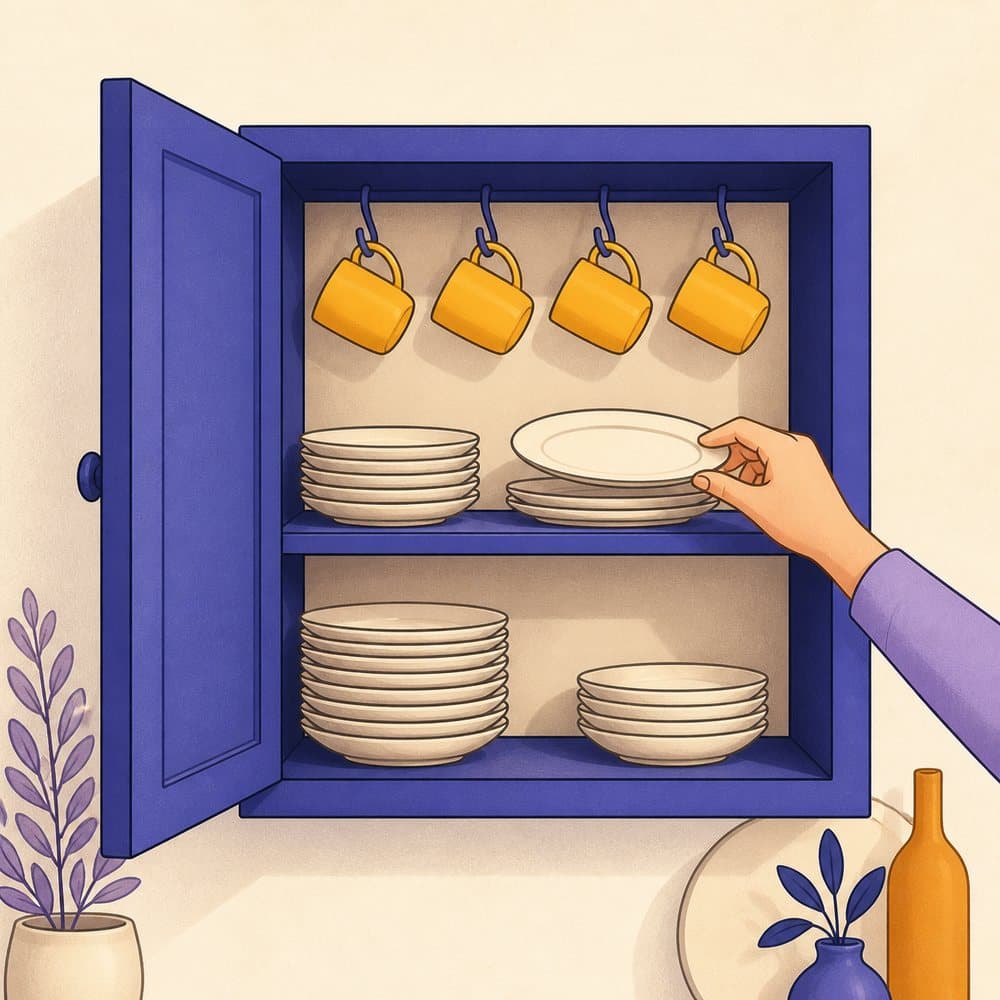
cupboard
/ˈkʌb.əd/
How to say it
Two syllables, stress on the first: KUB-ud. The p disappears and 'board' collapses into a weak 'ud'. It sounds close to 'cubbard', not like two separate words.
In a sentence
At home in the kitchen
“The extra plates are in the cupboard above the sink.”
PG accommodation rules
“Please keep your bag in the cupboard near the entrance.”
Do not say: Incorrect: 'CUP-BOARD' with both parts fully sounded. Say KUB-ud, with the second part short and unstressed.
listen
/ˈlɪs.ən/
How to say it
Two syllables, stress on the first: LIS-un. The t is silent, so the word ends in a soft 'un' with no tap of the tongue.
In a sentence
Training session
“Please listen carefully, I will explain the process only once.”
Daily commute
“I listen to podcasts during my metro ride to work.”
Do not say: Incorrect: 'LIST-en' with a clear t. Say LIS-un, and apply the same silent t to 'castle' and 'whistle'.

knowledge
/ˈnɒl.ɪdʒ/
How to say it
Two syllables, stress on the first: NOL-ij. The k is silent and the first vowel is short, so it starts like 'nod', not like 'know'.
In a sentence
Reading a job description
“The role needs working knowledge of Excel and basic accounting.”
Recommending a colleague
“He has good knowledge of the local market.”
Do not say: Incorrect: 'KNOW-ledge' with a long o, and incorrect: 'k-nowledge' with the k sounded. Say NOL-ij with a short first vowel.
Chapter 1 check
For each question, choose the option that matches correct spoken British English, then say the word aloud twice before moving on.
Which of these words is spoken as SUT-ul, with no b sound at all?
subjectsubmitsubtlesuburbReveal answer to 1
subtle — The b was added to the spelling to match Latin and has never been spoken in English.
You owe the bank money. The word for that money has a letter you must never sound. Which word is it?
debitdebtdepositdefaultReveal answer to 2
debt — It is one syllable, 'det', rhyming with 'net', while the related word 'debit' does keep its b.
The shopkeeper hands you the printed proof of payment. How is that word actually said?
ri-SEEPTree-KEPTri-SEETRES-iptReveal answer to 3
ri-SEET — The p is silent, so the ending sounds exactly like the word 'seat'.
Which day of the week loses a whole syllable when it is spoken?
TuesdayThursdayWednesdaySaturdayReveal answer to 4
Wednesday — The spelling suggests three syllables but the spoken word is only two, WENZ-day.
How do you say the word for a piece of land surrounded by water?
IZ-landEYE-lundIS-landee-SLANDReveal answer to 5
EYE-lund — The s is silent, so the first syllable sounds like the word 'eye'.
Which word drops the g that you can clearly see in its spelling?
signalsignaturesignsignificantReveal answer to 6
sign — The short word is one syllable rhyming with 'nine', though the g returns in 'signal' and 'signature'.
The h at the start of one of these words is written but never spoken. Which one?
hotelhospitalhonestholidayReveal answer to 7
honest — It begins with a vowel sound, ON-ist, which is also why it takes 'an' rather than 'a'.
Which fish name is said without the l that sits in the middle of its spelling?
mackerelsalmonsardinepomfretReveal answer to 8
salmon — It is SAM-un, with the first syllable sounding like the name 'Sam'.
You keep your plates and cups in it. How should that word sound?
KUP-bordkup-BORDKUB-udKUP-boardReveal answer to 9
KUB-ud — The p is silent and the second half is weak and unstressed, not a full 'board'.
You give a reply to a question. How is that word said in careful British English?
AAN-suhANS-weran-SWERAN-swarReveal answer to 10
AAN-suh — The w is silent, so your lips should never round in the middle of the word.
What to carry away from this chapter
- English keeps letters in its spelling that it stopped saying centuries ago, so a word read exactly as written will often sound wrong.
- A silent letter leaves no gap and no pause; you skip it completely rather than saying it softly.
- Silent letters usually appear in families: kn- words drop the k, -stle and -sten words drop the t, and mb or bt pairs drop the b.
- A related word can betray you, because 'debit', 'signature' and 'muscular' all sound letters that stay silent in 'debt', 'sign' and 'muscle'.
- Words learnt by spelling them aloud in school, such as 'answer' and 'Wednesday', are the hardest to correct, so give them extra repetitions.
- When a written word has more syllables than the spoken one, trust the spoken version; 'cupboard' and 'Wednesday' are two syllables, never three.
- Say each corrected word inside a full sentence, not alone, because the old habit returns fastest under the pressure of real speech.
13 of 100 · 13%
13 of 100 words corrected. Your listeners are already working less hard.